Sleep as a training stimulus: why recovery belongs in your plan
Training sets the stimulus; adaptation comes afterwards. What the research says about sleep, performance and muscle – and how to sleep better.
 Patrick Physiotherapist & Fitness Coach
Published on
4 min read
Training sets the stimulus. The adaptation – more strength, more muscle, more resilience – happens afterwards, and a large share of that recovery time falls at night. Yet when the diary fills up, sleep is often the first thing to get squeezed.
In short
- Adults should regularly sleep seven hours or more a night.
- Acute sleep loss measurably reduces physical performance – in strength, endurance and skill.
- In one study, a single sleepless night blunted muscle protein synthesis the following day.
- Evening training generally doesn’t disrupt sleep. Only hard sessions ending less than an hour before bed may do so.
- Persistent sleep problems should be checked by a doctor.
How much sleep do you need?
In a joint consensus statement, the American Academy of Sleep Medicine (AASM) and the Sleep Research Society recommend that adults sleep seven hours or more a night on a regular basis. Regularly sleeping less is associated with a range of health problems, according to the statement – including weight gain, high blood pressure and heart disease, but also impaired performance, more errors, increased pain and weaker immune function.
For athletes, the picture gets more individual. An international expert consensus in the British Journal of Sports Medicine (Walsh et al., 2021) argues that one-size-fits-all recommendations are unlikely to be ideal and that your personal sleep need should be taken into account. The authors also point out that, in the general population, habitually sleeping less than seven hours makes people more susceptible to respiratory infections – which costs training time too.
What a short night costs you in training
A meta-analysis by Craven and colleagues (2022) pooled 69 studies in which participants slept six hours or less. On average, performance dropped by around 7.6% – across every category examined, from strength and power to endurance and skill.
Two details are useful for everyday life:
- The effects were clearest when people missed a whole night or woke earlier than usual.
- Afternoon and evening sessions suffered more, while morning sessions were largely unaffected.
The authors’ advice: if you know a short night is coming, train in the morning. With 24/7 access to the club, that works even before your first meeting of the day.
Sleep and muscle
Sleep loss leaves its mark at muscle level too. In a small study by Lamon and colleagues (2021) involving 13 healthy young adults, a single night without sleep reduced muscle protein synthesis the next day by 18%. At the same time, the stress hormone cortisol rose while testosterone fell.
That’s a snapshot after an extreme night, not proof of smaller muscle gains in the long run. But it shows how closely sleep and recovery are linked at a biological level.
Evening training: better than its reputation
The old rule was that training in the evening ruins your sleep. A meta-analysis by Stutz and colleagues (2019) covering 23 studies doesn’t support that – if anything, the opposite. There is one caveat: very intense sessions that end less than an hour before bedtime may affect how quickly you fall asleep, how long you sleep and how efficiently.
So training after work is fine. After a hard session, just leave yourself a buffer before bed.
Six levers for better sleep
The US Centers for Disease Control and Prevention (CDC) lists a few simple habits that support good sleep:
- go to bed and get up at the same time every day – weekends included
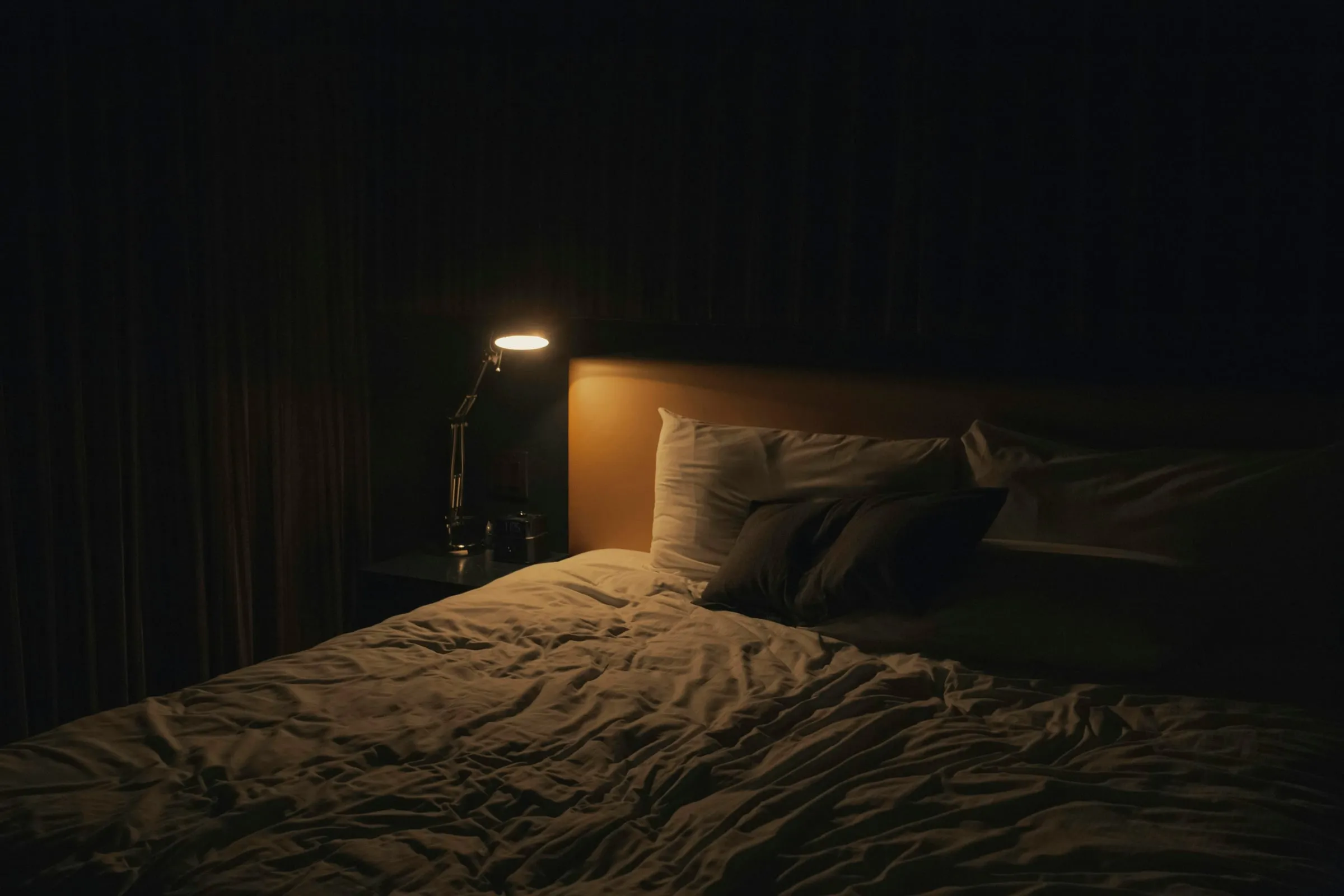
- keep your bedroom quiet, relaxing and on the cool side
- switch off electronic devices at least 30 minutes before bed
- avoid caffeine in the afternoon and evening
- skip large meals and alcohol close to bedtime
- stay physically active and eat a balanced diet
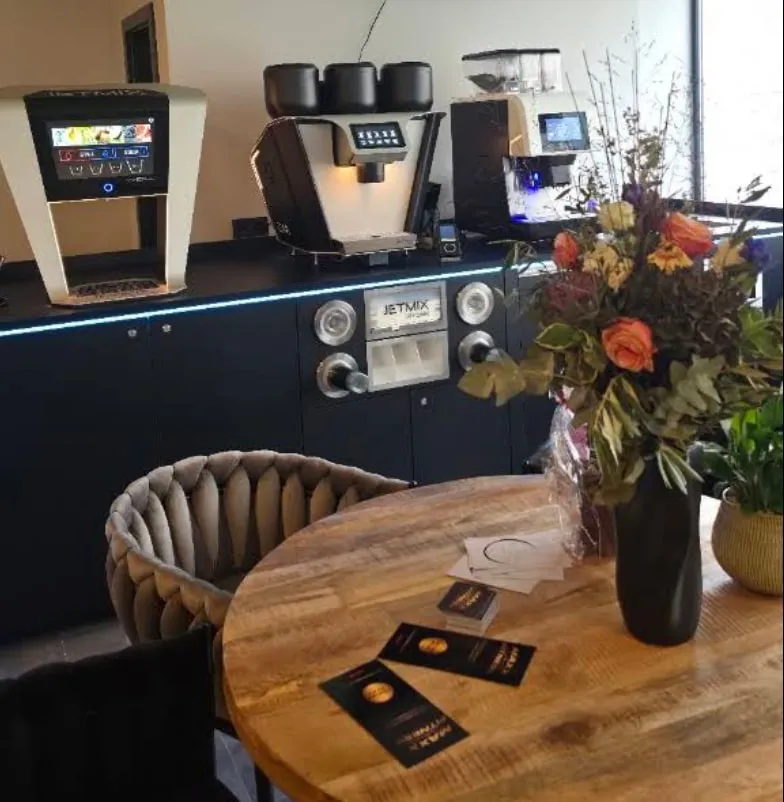
On caffeine, in practical terms: the coffee at the club bar is best enjoyed after a morning session.
A rest day isn’t a lost day. It’s part of the plan.
Plan recovery like you plan training
Good programming takes your sleep into account. After several short nights, it’s often smarter to dial back intensity or volume than to push through the plan regardless.
One simple tool: for a few weeks, note down next to your training how long you slept and how rested you feel in the morning. You’ll start to see patterns – and your personal sleep need.
What about naps, or “banking” sleep before a demanding week? Both come up a lot in sport. The Walsh consensus, however, says more research is needed before firm recommendations can be made. The foundation remains a regular night of sufficient length.
When sleep becomes a problem
If you’re worried that you’re regularly sleeping too little or too much, the AASM advises talking to your doctor. That applies especially if sleep problems last for weeks or you’re struggling to function during the day. Training can support a lot of things, but it can’t replace a diagnosis.
At the club, we plan load and recovery together with you, so your training lands where it’s meant to.
Sources
- Watson NF et al. (2015). Recommended amount of sleep for a healthy adult: a joint consensus statement of the American Academy of Sleep Medicine and Sleep Research Society. Sleep, 38(6), 843–844. doi:10.5665/sleep.4716
- Walsh NP et al. (2021). Sleep and the athlete: narrative review and 2021 expert consensus recommendations. British Journal of Sports Medicine, 55(7), 356–368. doi:10.1136/bjsports-2020-102025
- Craven J et al. (2022). Effects of acute sleep loss on physical performance: a systematic and meta-analytical review. Sports Medicine, 52(11), 2669–2690. doi:10.1007/s40279-022-01706-y
- Lamon S et al. (2021). The effect of acute sleep deprivation on skeletal muscle protein synthesis and the hormonal environment. Physiological Reports, 9(1), e14660. doi:10.14814/phy2.14660
- Stutz J, Eiholzer R, Spengler CM (2019). Effects of evening exercise on sleep in healthy participants: a systematic review and meta-analysis. Sports Medicine, 49(2), 269–287. doi:10.1007/s40279-018-1015-0
- Centers for Disease Control and Prevention (2024). About Sleep. cdc.gov
This article is for general information only and does not replace medical advice.